At the end of a two-week hitch, a floorhand packs up a bunk in crew housing and drives several hours home, with two weeks off before the next rotation. Oil and gas field jobs include drilling crews, well servicing, production work and pipeline construction, often in remote areas. This explains the entry-level jobs, the schedules and the training employers expect.
The usual way in: Entry-level field work and safety orientation
Entry-level jobs in the field
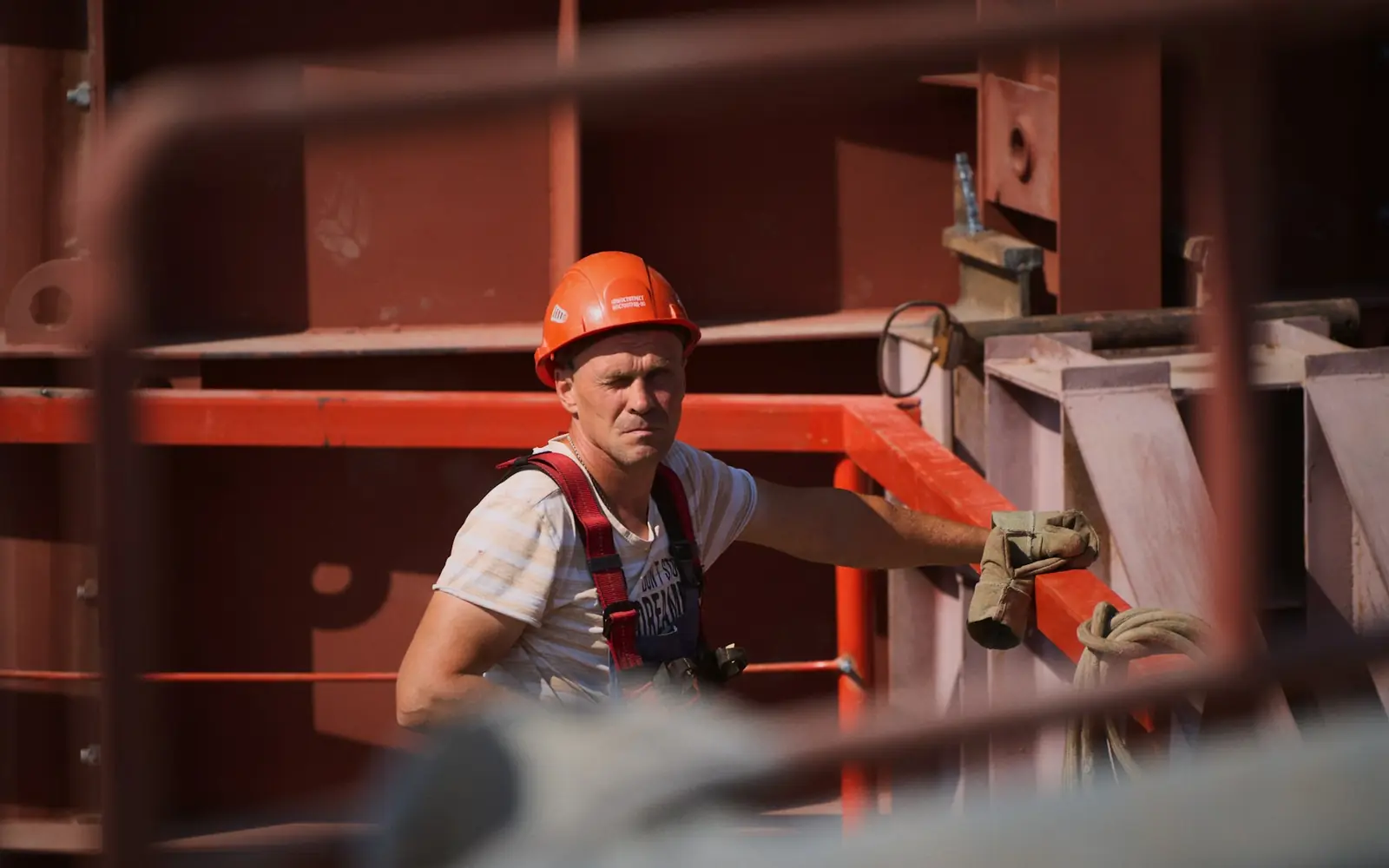
Many people start as roustabouts, floorhands or general laborers, doing physical work such as handling pipe, cleaning equipment, painting and moving materials around a site. Others start as truck drivers hauling water, sand or equipment, which usually calls for a commercial driver’s license. With experience, workers move up to roles such as derrickhand, equipment operator or field technician.
Most entry jobs are with service companies and contractors rather than the companies that own the wells. Hiring rises and falls with drilling activity, so openings in one area can change quickly.
Most entry jobs are with service companies and contractors rather than the companies that own the wells.
Schedules and conditions
Rotating schedules are common, such as 14 days on and 14 days off or a week on and a week off, with 12-hour shifts. Sites are often far from towns, and employers may provide crew housing or expect you to find your own. The work happens in heat, cold, wind and mud, near heavy equipment and lines under pressure.
Offshore platforms add helicopter or boat travel, water survival training and long stays on the platform. Offshore and port work often requires a Transportation Worker Identification Credential, issued by the Transportation Security Administration.
Safety training and hiring steps
Before the first day, most employers require a safety orientation, and many well operators expect a basic industry orientation recognized across companies. Common training includes hydrogen sulfide awareness, first aid and CPR, and fall protection, following OSHA rules that employers apply on their sites. A drug test, a physical and a driving record review are standard steps.
Your state workforce agency and the local American Job Center can point you to employers and training in oilfield regions. Ask each employer what training it provides itself and which certificates it wants you to hold beforehand.
What you can do this week
- Ask a workforce office about oilfield safety orientations
- Ask employers which rotation schedule they use
- Plan how you would travel to a remote site
- Check whether your driver’s license is in good standing
Worth remembering. Oil and gas field work often starts with an entry-level crew job, a rotating schedule and a safety orientation before the first shift.