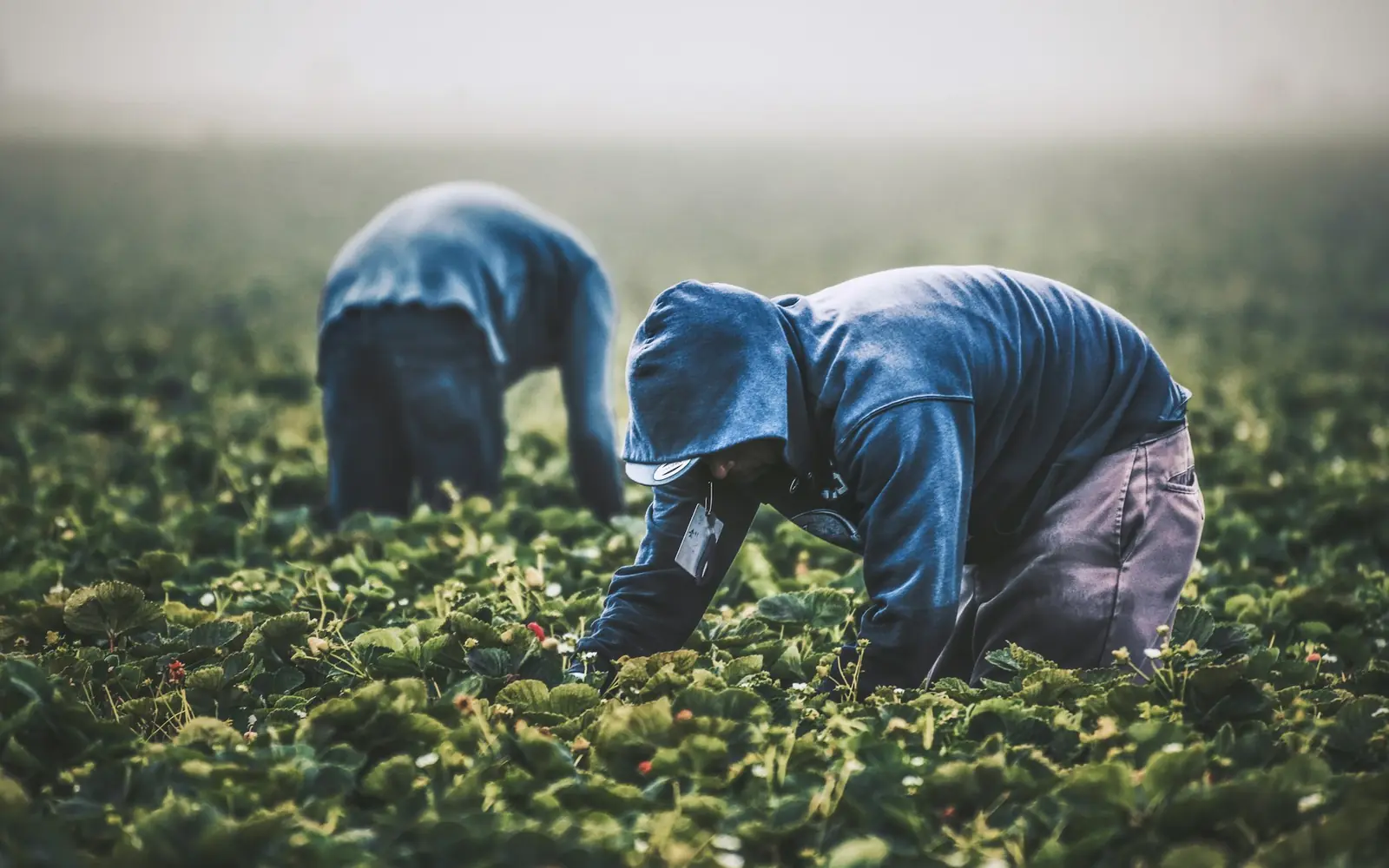
In an orchard at first light, a crew lead hands out picking bags and ladders while a supervisor writes names on a tally sheet. Farm work follows the crops, and this guide shows where seasonal openings are posted, what the work asks of your body and which rules protect you on the job.
The usual way in: Seasonal hiring, often with no experience
The work and the seasons
Farm jobs cluster around planting, thinning, harvest and the packing shed, and each crop sets its own calendar. A season can last a few weeks or several months, and harvest days often start early and run long. The work involves heat, bending, lifting and sometimes ladders.
Some farms pay by the hour and some pay by the piece, such as per bin or per box, and some use both. The job terms should say which applies before you start.
Where farm jobs are posted
State workforce agencies post agricultural job orders, and your local American Job Center can show you the current ones. Employers who bring in temporary foreign workers through the H-2A program must also recruit workers in the United States on the same terms, so those job orders are open to you as well. The Department of Labor publishes them on its seasonal jobs site.
Many growers hire directly, and others use farm labor contractors, who must register with the Department of Labor under federal law. The National Farmworker Jobs Program, run through local grantees, offers training and job help to eligible farmworkers and their families, and each grantee explains its own rules.
Your rights and the first weeks
Federal law gives migrant and seasonal farmworkers the right to written information about the job, including pay, the length of the work, the crops and any housing or transport. Keep that paper, along with a record of your own hours or piece counts.
Before you work in fields or greenhouses where pesticides have been used, the employer must give you pesticide safety training under the Environmental Protection Agency’s worker protection rules. Rules on water, shade and rest breaks in the heat depend on your state. Questions about pay can go to the Department of Labor’s Wage and Hour Division.
Keep that paper, along with a record of your own hours or piece counts.
What you can do this week
- Visit your local American Job Center
- Search the Department of Labor’s seasonal jobs listings
- Ask each grower for the job terms in writing
- Start a notebook for your hours and piece counts
Worth remembering. Seasonal farm openings are posted through state workforce agencies, and you have a right to the job terms in writing.