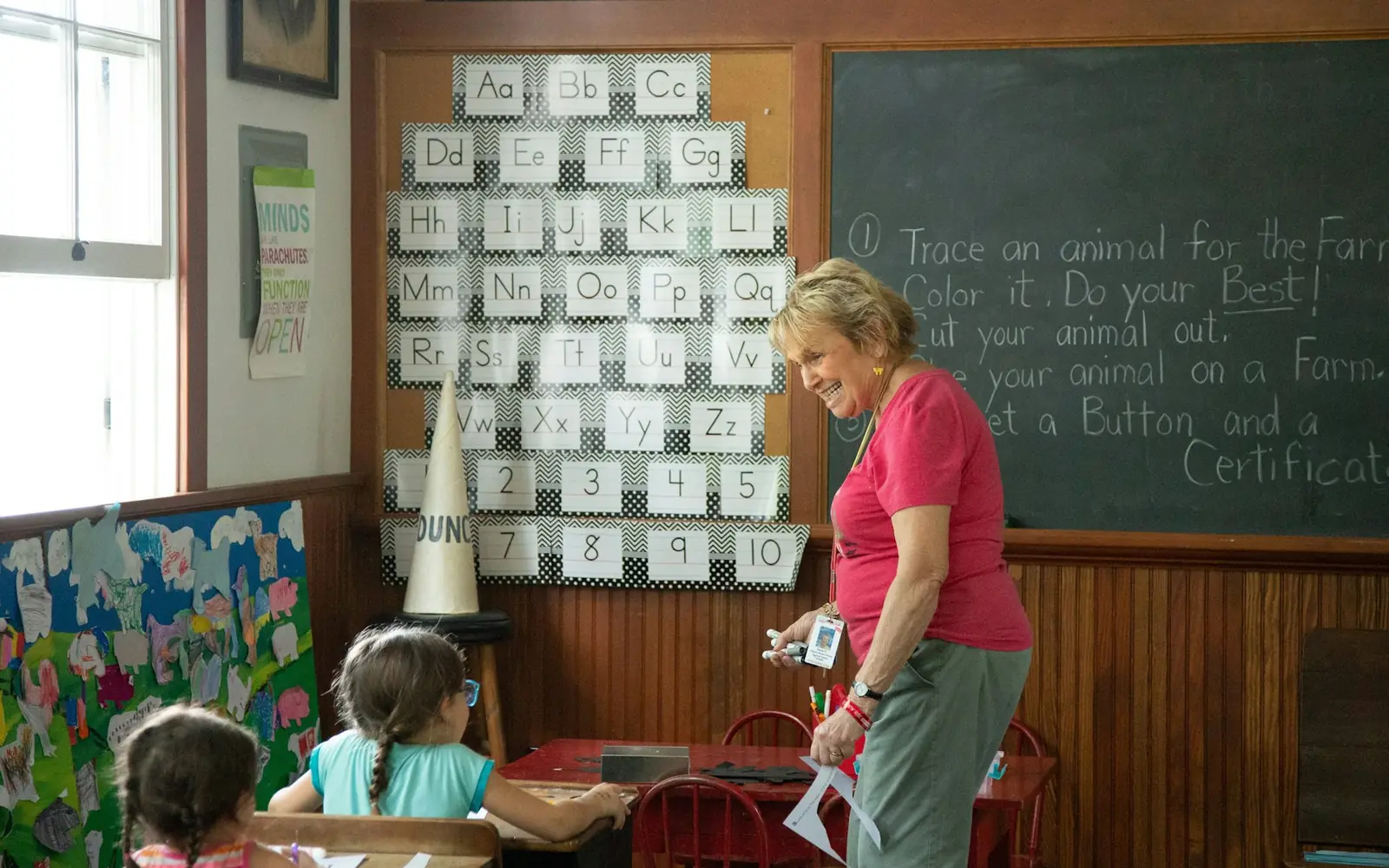
In July, a chemist in her late thirties signs on with a high school, and by late August she is teaching four sections of chemistry on an intern license. Alternative routes let people who already hold a bachelor’s degree start teaching while they complete their preparation, and this explains how those routes usually run and what states ask along the way.
The usual way in: A provisional license while you train
How an alternative route works
Most alternative routes follow the same outline. You hold a bachelor’s degree, pass the state’s subject test, find a district willing to hire you and teach on a provisional or intern license. At the same time, you finish a state-approved preparation program in the evenings, online or over weekends and summers.
Programs are run by colleges, school districts, regional education agencies and some nonprofits, and the state keeps a list of the ones it approves. Many routes take one to three years before you can move to a standard license. Some limit entry to particular subjects or grade levels that the state names each year.
Tests and subject requirements
Nearly every state asks for a passing score on a subject-area test for the subject you plan to teach. Some also ask for a basic skills test or a test on teaching methods, and some accept college course hours in the subject as proof of knowledge instead. The state education department publishes which tests it uses and the scores it sets.
Read the subject rules closely. A degree in biology may line up with a general science license in one state but not in another, and special education or English learner endorsements often carry their own tests and coursework.
Getting hired and the first year
In many states, the provisional license is issued only after a district offers you a position, so the job search and the license move together. District human resources offices post teaching openings in spring and summer, and some hold hiring fairs for alternative route candidates.
The first year is usually the hardest. Expect a mentor teacher, classroom observations by your program and your principal, evening coursework and a formal evaluation. Some programs also run a summer training session before your first day with students, which helps with planning and classroom routines.
In many states, the provisional license is issued only after a district offers you a position, so the job search and the license move together.
What you can do this week
- Find your state’s list of approved alternative programs
- Check which subject test your state uses
- Request transcripts to compare with the subject rules
- Ask a district when it posts teaching openings
Worth remembering. An alternative route lets a degree holder teach on a provisional license while finishing a state-approved program, under rules each state sets.