At 2 a.m. in a treatment plant, an operator walks the basins with a flashlight, carries a sample to the lab bench and checks the chemical feed on a control screen. Water and wastewater operators keep drinking water safe and clean used water before it returns to rivers. This explains the state certification these jobs depend on and how cities and districts hire operators.
The usual way in: State operator certification
The work in a plant
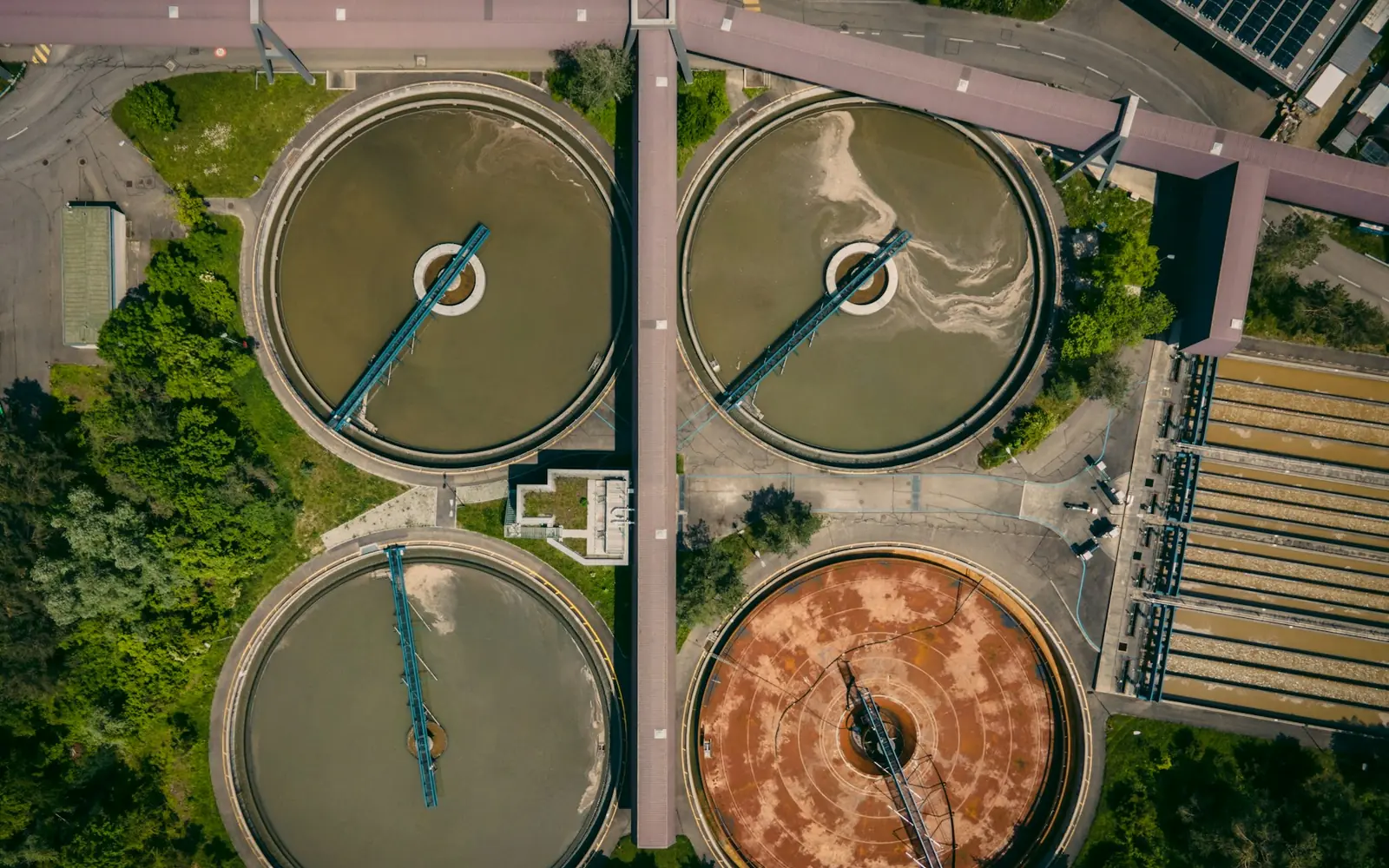
Drinking water operators run treatment steps such as filtering and disinfection, test water quality and keep pumps and tanks running. Wastewater operators manage the settling tanks, aeration basins and solids handling that clean used water. Both keep careful logs, because state and federal rules require testing and reports.
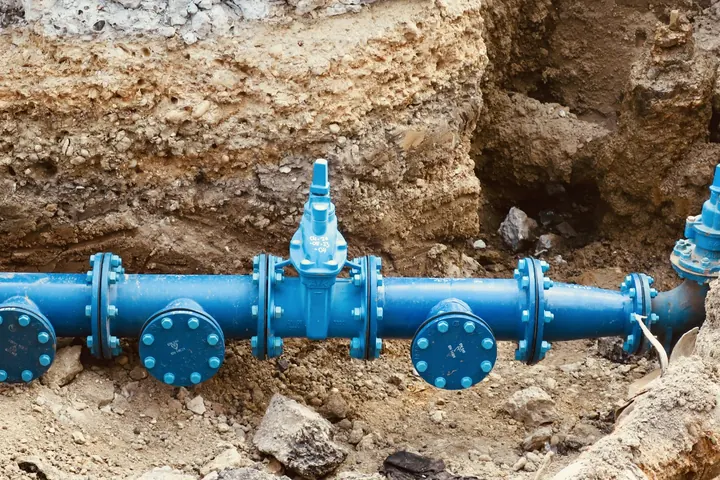
Plants run around the clock, so many operators work rotating shifts, weekends and holidays, with on-call duty for alarms. Distribution and collection operators work outside the plant, on water mains, hydrants, lift stations and sewer lines.
Plants run around the clock, so many operators work rotating shifts, weekends and holidays, with on-call duty for alarms.
How certification works
Every state certifies drinking water operators, and nearly all certify wastewater operators, usually through the state environmental agency or health department. Certificates come in classes or grades, and higher grades are needed to run larger or more complex plants. Each grade usually asks for a high school diploma or equivalent, a set amount of operating experience and a passing score on a written exam.
Many states offer an operator-in-training certificate, so a new hire can work under a certified operator while building hours. Many states use a standardized exam for each grade, while others write their own. Certificates must be renewed, usually with continuing education hours, and separate certificates often cover treatment, distribution and collection.
How hiring works
Cities, counties, water districts and private companies that run plants under contract all hire operators. Public employers post openings through their human resources departments, and some use a civil service exam or a ranked list. Many entry postings ask for a driver’s license and a plan to earn a certificate within a set time.
The first months often include a probation period and close work with a senior operator, learning each process and the plant’s safety rules. Your state’s operator certification program can tell you which exam fits each grade and what experience counts toward it.
What you can do this week
- Find your state’s operator certification office
- Ask whether your state offers an operator-in-training certificate
- Check city and county postings for plant trainee roles
- Review basic chemistry and math for the first exam
Worth remembering. Water and wastewater work depends on a state certificate that rises in grade with experience and the size of the plant.