A call comes in about a smell of gas near a house, and a service technician drives over with a detector, checks the meter and the air around the foundation, and decides whether to shut off the supply. Gas utility field workers install, maintain and check the pipes and meters that bring natural gas to homes and businesses. This explains the main jobs, the training rules and how utilities hire.
The usual way in: On-the-job training and task sign-offs
The main field jobs
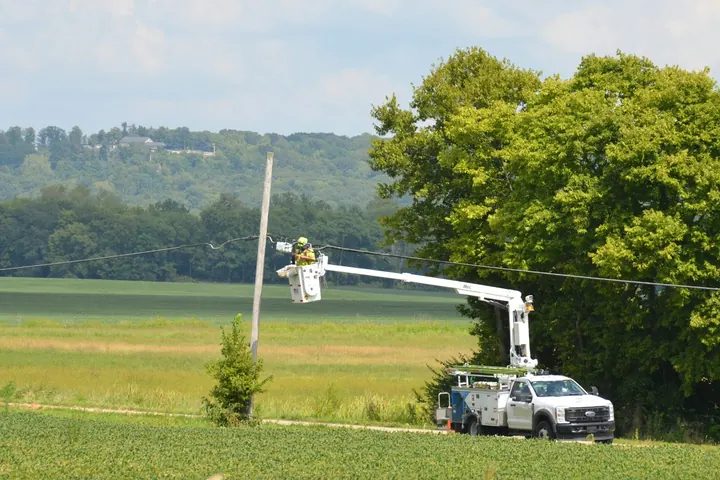
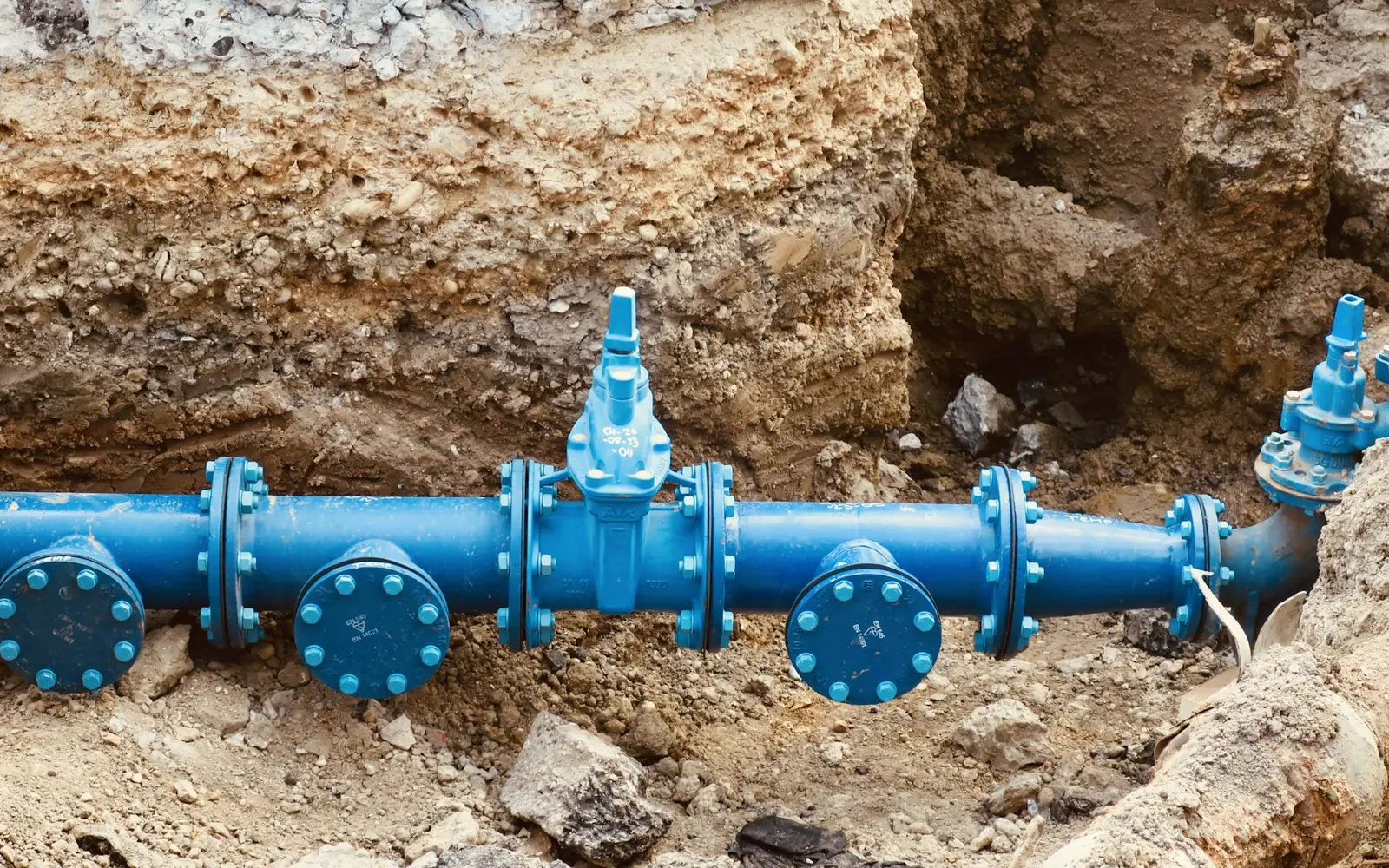
Service technicians answer odor calls, turn service on and off, light appliances and inspect meters and regulators. Distribution crews dig and lay new mains and service lines, repair damage and replace older pipe. Leak surveyors walk or drive routes with detectors, and locators mark buried lines before anyone digs.
The work is outdoors in every season, and many roles include on-call duty and emergency response at night. Crew jobs involve trenching, heavy lifting and work near traffic, while service roles mean many visits a day to homes and businesses.
Leak surveyors walk or drive routes with detectors, and locators mark buried lines before anyone digs.
Training and operator qualification
Federal pipeline safety rules, overseen by the Pipeline and Hazardous Materials Safety Administration, cover workers who perform certain tasks on gas pipelines. The employer trains and evaluates each worker on each covered task, such as locating a line or checking for leaks, and repeats the evaluation at set intervals. This is called operator qualification, and it follows you task by task.
Utilities and their contractors run this training themselves. Many crew jobs ask for a commercial driver’s license or for one to be earned within a set time, and workers in safety-sensitive roles take part in a federal drug testing program.
How hiring works
Gas utilities, combined gas and electric utilities, city gas departments and pipeline contractors all hire field workers. Many start new hires as helpers, meter workers or utility workers and move them into service or crew roles after training. A hiring process often includes an aptitude test, a physical test, a background check, a driving record review and a drug test.
Expect a probation period and months of classroom and field training beside experienced workers before working alone. The utility’s human resources office can say which openings are posted, which tests come first and whether a union contract sets the steps of progression.
What you can do this week
- Check a gas utility’s careers page for helper roles
- Find out what a commercial driver’s license involves
- Order a copy of your driving record
- Ask which tests the utility gives first
Worth remembering. Gas field work is learned on the job, task by task, under federal pipeline training rules.