Halfway through a 12-hour night shift, an auxiliary operator makes rounds through a turbine hall, reading gauges, listening to pumps and logging what the control room needs to know. Power plant operators run the equipment that makes electricity at gas, coal, hydro and nuclear plants. This explains how people start, how training is structured and what a nuclear plant adds.
The usual way in: Years of training as an auxiliary operator
From rounds to the control room
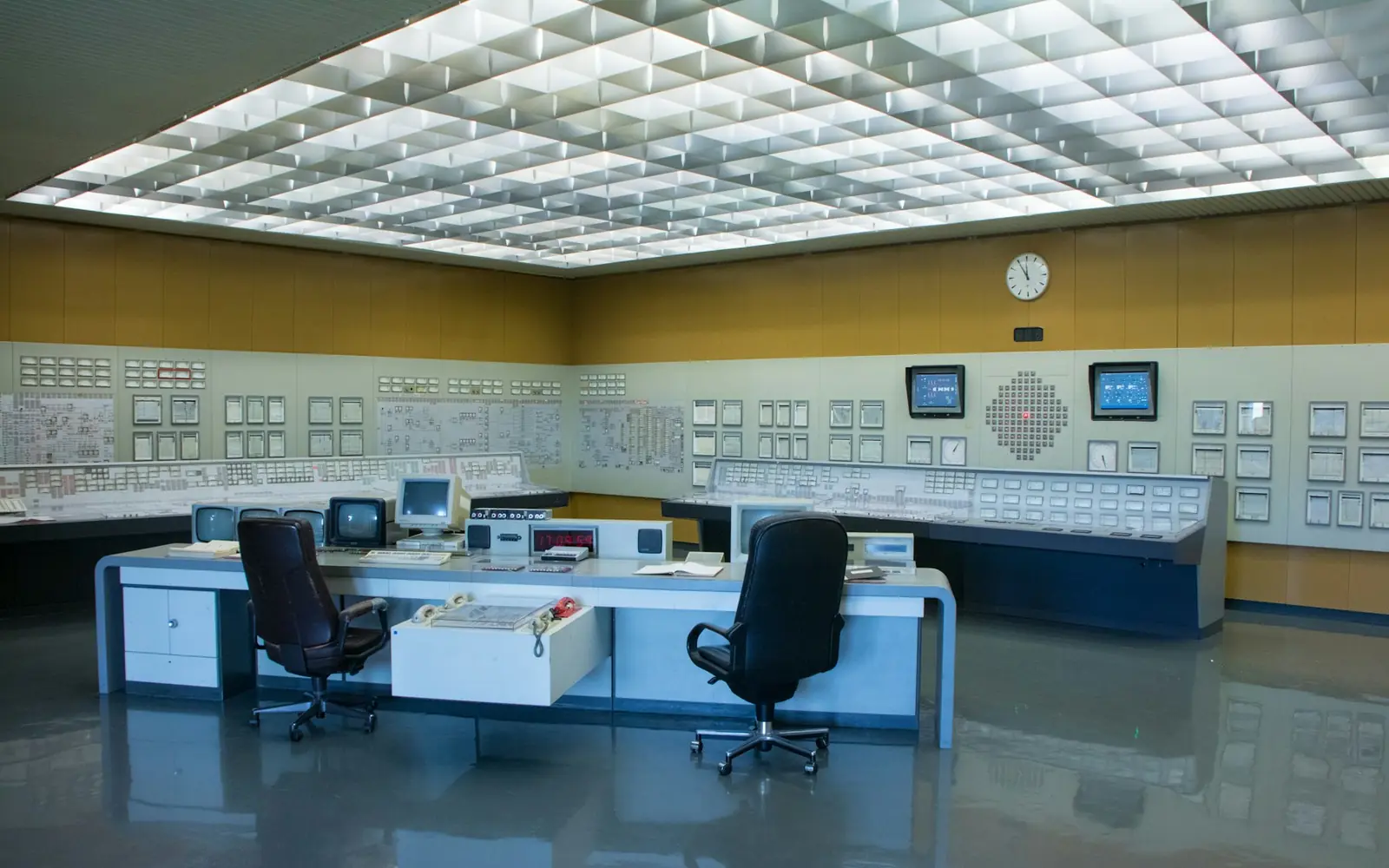
Most operators start as auxiliary, helper or equipment operators who make rounds, start and stop equipment and isolate systems for maintenance. Control room operators watch the whole plant on screens and adjust output as the grid calls for it. Moving up usually takes years, because each position requires signing off on many systems.
Plants run day and night, so rotating 12-hour shifts are common, along with weekends, holidays and overtime during outages. The work involves heat, noise, stairs and ladders, and operators follow strict lockout and tagging procedures to keep maintenance crews safe.
Moving up usually takes years, because each position requires signing off on many systems.
Training and the route in
Many plants hire people with a high school diploma or equivalent, mechanical aptitude and often some technical training or military experience, such as time in the Navy’s nuclear program. Some community colleges run power plant technology programs. New hires then spend months to years in a training program that mixes classroom study, written and oral exams and on-the-job sign-offs.
Utilities often give an aptitude test covering mechanical reasoning, reading and math before an interview. A drug test, a medical exam and a background check usually follow an offer.
What a nuclear plant adds
Nuclear plants add federal access screening before anyone works inside the protected area. Expect a detailed background investigation, a psychological evaluation, fingerprints and a fitness-for-duty program that includes random drug testing. These rules come from the Nuclear Regulatory Commission and are carried out by the plant.
Reactor operators at a nuclear plant hold a license from the Nuclear Regulatory Commission, earned after a long training program and federal exams. A plant’s human resources office can say which roles it fills from outside and which it fills through internal training classes.
What you can do this week
- Ask a plant how often it hires auxiliary operators
- Work through mechanical reasoning practice questions
- List any military or industrial experience with dates
- Ask a community college about power plant technology classes
Worth remembering. Power plant operators usually begin with plant rounds and train for years, with extra federal screening at nuclear plants.