Before sunrise after an ice storm, a line crew checks its harnesses, loads the truck with crossarms and wire, and heads for a road where poles lean over the ditch. Lineworkers build and repair the wires that carry power from substations to homes and businesses. Here is how people get into the trade, what the apprenticeship asks of you and what the first year on a crew is like.
The usual way in: A pre-apprenticeship, then an apprenticeship
What the work involves
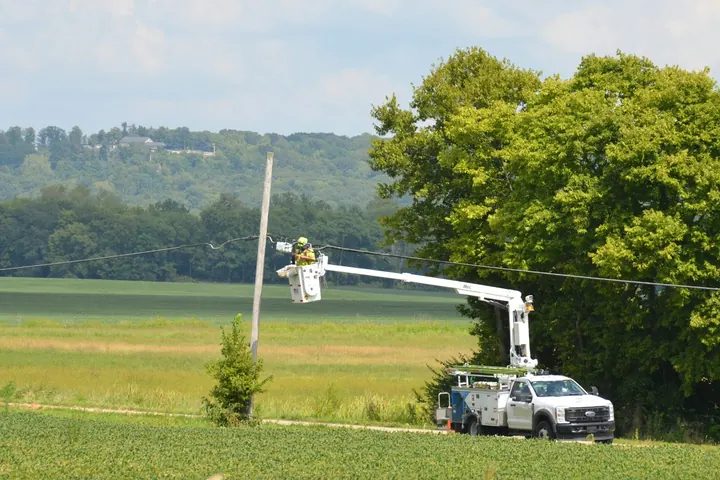
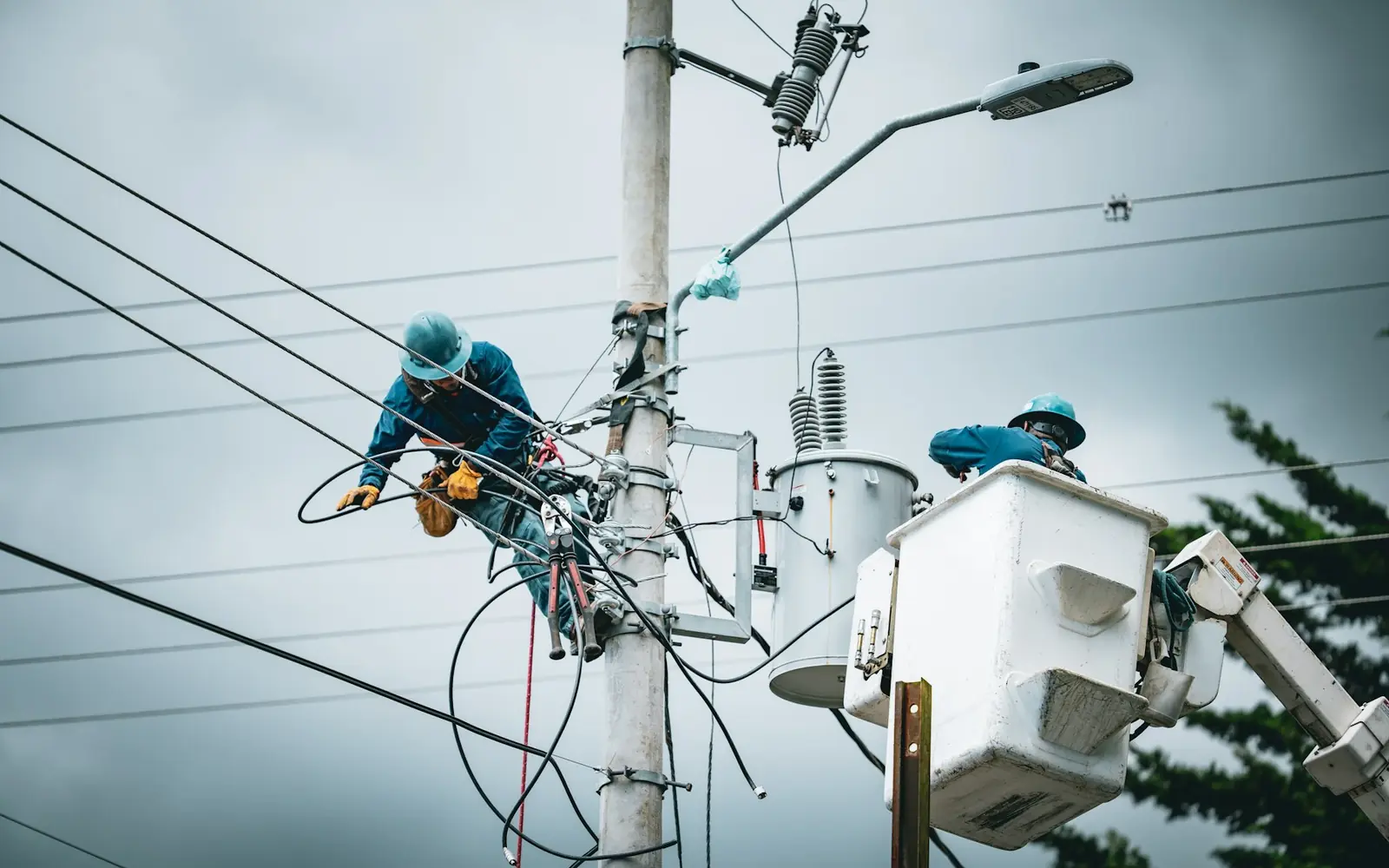
Lineworkers set poles, string and splice wire, hang transformers and replace equipment that storms or age have damaged. Some work on overhead lines from a bucket truck or by climbing with hooks and a belt, and others work on underground cable in vaults and trenches. Transmission crews handle the high-voltage lines that cross long distances on steel towers.
The job is outdoors in heat, cold, rain and wind, and much of it happens at height near energized lines. Crews take turns on call, and after a major storm a crew may work long shifts for days or travel to another state to help restore service. Expect missed holidays and late-night calls during storm season.
The usual route in
Many people start with a pre-apprenticeship or a lineworker school, often a program of several weeks to a few months that teaches climbing, knots, rigging, basic electrical theory and safety around energized equipment. Some of these programs also prepare students for a commercial driver’s license, which many utilities and contractors expect a lineworker to hold.
The main training is an apprenticeship that usually lasts three to four years. Apprentices work on a crew under journey-level lineworkers, attend classes and move through stages as they show each skill. Pay goes up from one stage to the next, and a registered program ends with journey-level status recognized by the state or the Department of Labor.
How utilities and contractors hire
Investor-owned utilities, city-owned utilities, rural electric cooperatives and line construction contractors all hire apprentices. Many post openings on their own careers pages, and a lineworker union’s apprenticeship program may take applications only during set windows. A common order is an application, an aptitude test, a climbing or physical test, an interview, then a medical exam and a drug test.
Some employers hire people first as groundworkers, who dig, haul material, flag traffic and prepare equipment on the ground. Time as a groundworker lets you learn how a crew runs before you climb, and some utilities fill apprentice openings from that group.
Time as a groundworker lets you learn how a crew runs before you climb, and some utilities fill apprentice openings from that group.
The first months on a crew
New apprentices usually serve a probation period, often six months to a year, during which the employer watches safety habits as closely as skill. Early days are often spent on the ground, carrying tools and learning the name of every piece of hardware before working aloft.
Your state’s apprenticeship office can tell you which lineworker programs are registered, how long each runs and what each asks for at the start. A utility’s human resources office can say when its next test date is set.
What you can do this week
- List the registered lineworker apprenticeships in your state
- Ask a utility when it next gives its aptitude test
- Read your state’s rules for a commercial driver’s license
- Practice basic math with fractions and decimals
Worth remembering. Most lineworkers learn the trade through an apprenticeship of several years, often after a short pre-apprenticeship or climbing school.