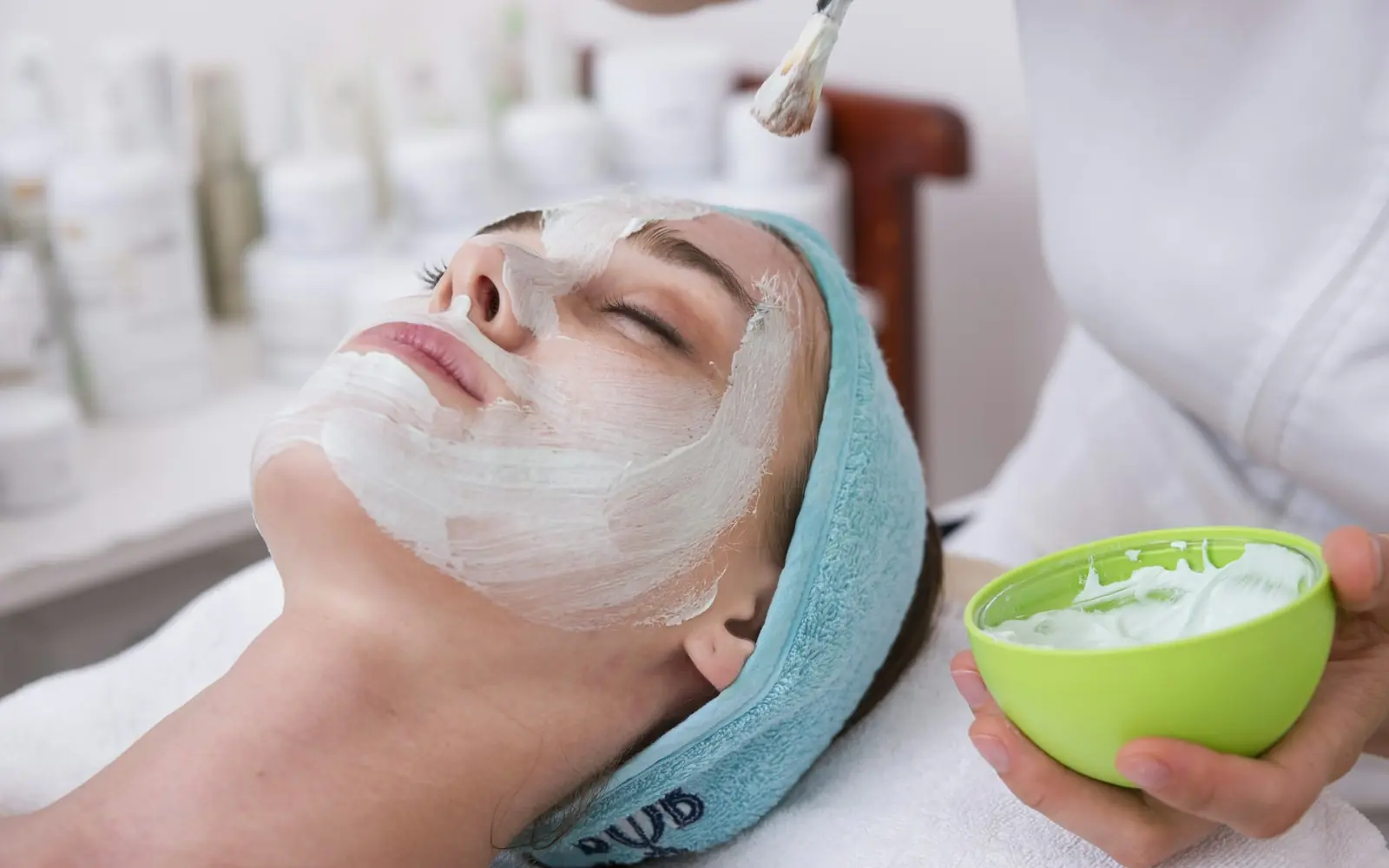
An esthetician’s first appointment may be a facial in a dim treatment room, with a magnifying lamp swung over the client’s face and a steamer warming beside the bed. Here is what the work covers, how the state license works and what spas and offices look for when they hire.
The usual way in: An esthetics program and a state license
Where estheticians work
Estheticians give facials, exfoliation treatments, waxing and makeup, and they advise clients on daily skin care. They work in day spas, salons, waxing studios, resorts and some dermatology or cosmetic surgery offices. In medical settings, the practice decides which tasks an esthetician handles under its own policies.
Selling skin care products is often part of the role, and some employers pay a commission on retail sales. Evenings and weekends tend to be booked first, since clients come before or after their own work.
The license and what it allows
States license estheticians through the cosmetology board or a similar body, usually after a program of several hundred hours. A written exam and often a practical exam follow. A few states add a second, higher license, often called master esthetician, with more training for advanced treatments.
Each state also sets the scope of practice, which is the list of services an esthetician may legally perform. Chemical peels, some devices and lash or brow services may be limited or need extra training. Read your board’s rules on scope before you pay for an add-on course.
Each state also sets the scope of practice, which is the list of services an esthetician may legally perform.
Hiring and the early months
Spa managers often ask for a demonstration facial as part of the interview, so practice the full sequence and talk through each step as you go. Many new estheticians start with a training period on the spa’s own products and protocols. Bring your license number and a short list of the services you are trained and licensed to give, because managers often check both against the state’s online license lookup.
Renewal comes every year or two, and some states require continuing education hours to renew. If you move, ask the new board whether it accepts your license by endorsement or wants more hours first.
What you can do this week
- Read your state’s esthetics scope of practice
- List the spas and offices near you that offer facials
- Ask a school what its esthetics program includes
- Rehearse a full facial out loud from start to finish
Worth remembering. The board sets both the training for an esthetics license and the services it allows, so check scope before any extra course.