On exam day, a cosmetology candidate lays out a mannequin head, clips, combs and a spray bottle at a numbered station while an examiner walks the row with a clipboard. That station is the last stop on a path the state board lays out, and knowing its order helps you choose a school and plan the months ahead.
The usual way in: School hours and a state board exam
What the board asks for
Each state licenses cosmetologists through a board, sometimes one that oversees barbers as well. The board sets how many school hours you need, which subjects they must cover and which exams follow. Required hours vary a great deal from state to state, so a figure heard from a friend who trained elsewhere may not apply to you.
Most boards also set a minimum age and an education level, and they ask for an application with proof of identity. Some states allow an apprenticeship in a licensed salon instead of school, usually with more hours and a licensed sponsor who signs off on your progress. The board’s own pages list the current rules and forms.
Required hours vary a great deal from state to state, so a figure heard from a friend who trained elsewhere may not apply to you.
School, hours and the kit
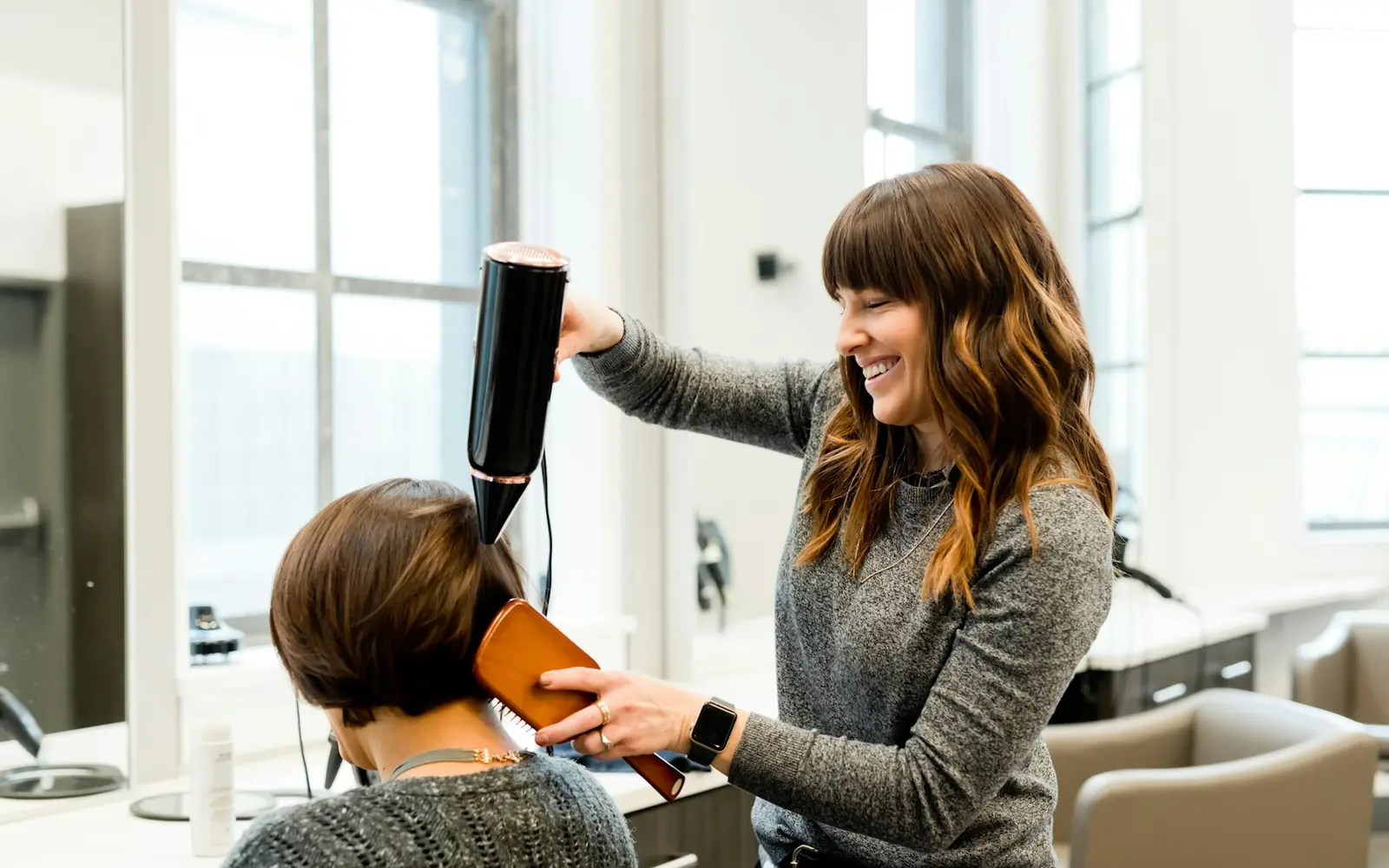
Cosmetology programs mix theory classes with clinic floor time, where students serve members of the public under an instructor’s eye. You learn cutting, color, chemical services, basic skin and nail care, and the sanitation rules inspectors look for. Full-time students often finish in about a year, while part-time evening programs take longer.
Schools track your hours, often with a time clock, and report them to the board when you apply for the exam. Before you sign up, ask how the school records hours, what happens to them if you transfer, and whether the tool kit comes with the program or is bought separately.
The exams and the license itself
The written exam usually covers theory, safety, infection control and state law, and many states give it on a computer at a testing site. Many states add a practical exam with timed services on a mannequin, though some have dropped the practical part. Your school can tell you which pieces your state still uses.
Once you pass, the board issues the license, and you display it at your station wherever you work. Licenses are renewed on a schedule the board sets, and some states ask for continuing education hours at renewal. If you move, the new state may accept your license through reciprocity or endorsement, or it may ask for more hours or another exam.
What you can do this week
- Find your state board’s list of approved schools
- Ask two schools how they record student hours
- Read the board’s page on exam steps
- Check whether your state still gives a practical exam
Worth remembering. The state board sets the hours, the exams and the renewal rules, so read its own pages before you choose a school.