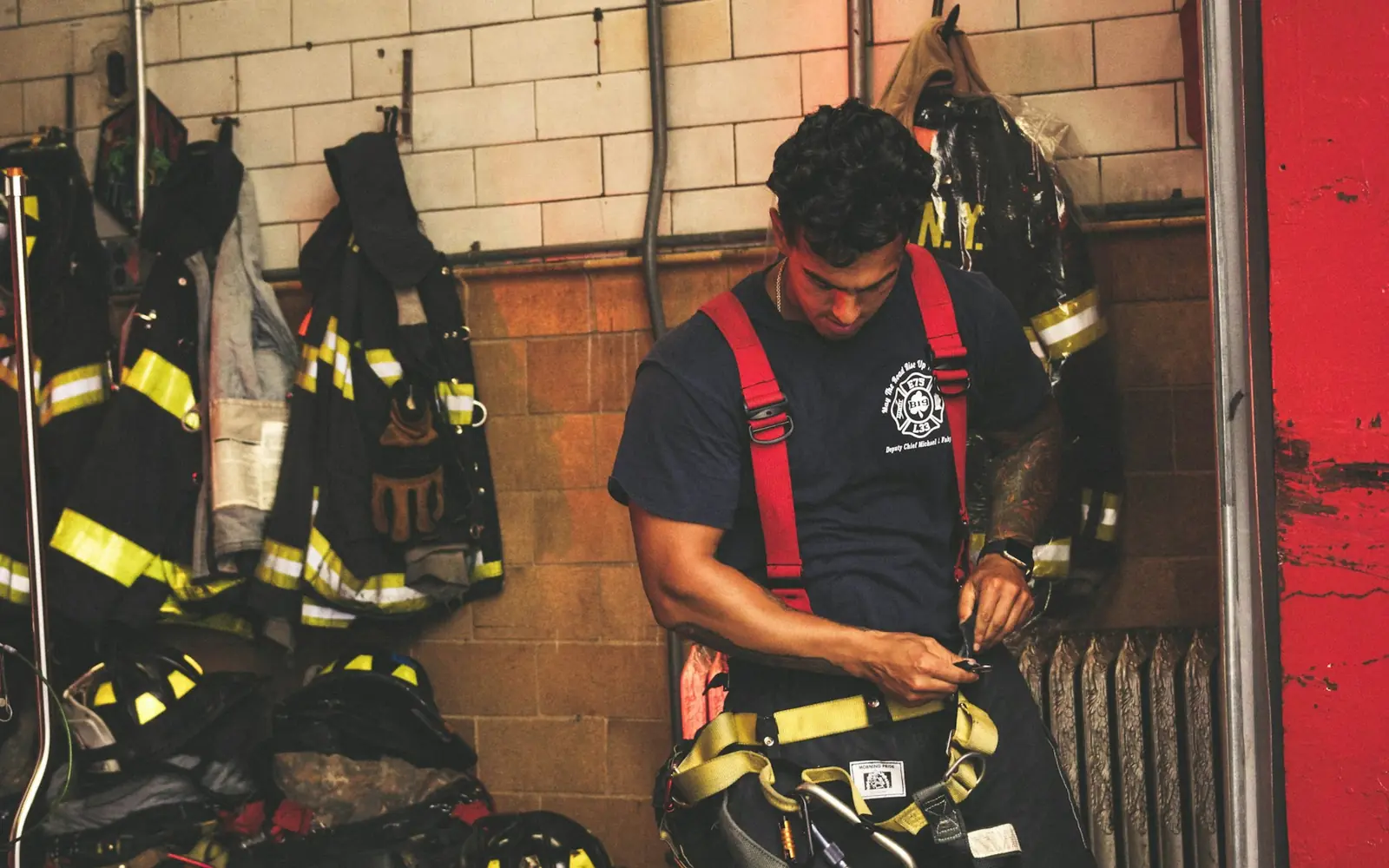
The pager goes off during a weeknight drill at a volunteer fire company, and members set down their hoses to head out on a call. Volunteer, cadet and reserve roles exist in many towns and cities, and they let you learn public safety work, earn certifications and see the real hours before applying for a paid career.
The usual way in: Volunteer service in your own community
Volunteer fire and EMS crews
Many fire departments, especially in rural and suburban areas, are staffed fully or partly by volunteers. Members usually apply to the department, go through a background check and a medical screening and then complete basic firefighter training, often on evenings and weekends. Some departments pay for or arrange that training.
Volunteer ambulance and rescue squads work in a similar way, and many sponsor members through an EMT course. Volunteers usually commit to a minimum number of shifts or calls each month and to regular drills.
Volunteer ambulance and rescue squads work in a similar way, and many sponsor members through an EMT course.
Explorer and cadet programs
Police and fire explorer programs take young people, often from about 14 to 20, for meetings, training and supervised ride-alongs. Cadet programs in some departments are part-time paid jobs for people around 18 to 21, sometimes with help toward college classes or the academy.
Some fire departments run junior firefighter programs for teens, with limits on what members can do at a scene. State law sets the age rules for these roles, and each department adds its own.
Reserve and auxiliary officers
Many police departments and sheriff’s offices use reserve or auxiliary officers who serve part-time. In some states reserves are sworn officers who complete academy training and carry police powers on duty, while auxiliary members elsewhere are unsworn and help with traffic control, events and searches. The state’s peace officer standards and training board sets the rules for reserves.
Many local emergency management offices also run community emergency response team training, and some police departments hold citizen academies that explain how the agency works over several evenings.
How the experience carries forward
Volunteer and reserve service gives you training records, references who have seen you work and a clear picture of night calls and hard scenes. Each agency decides how it weighs that experience in its own hiring, so keep a record of every course and certificate you complete.
What you can do this week
- Ask the local fire company or rescue squad about membership
- Check whether the police department runs a cadet or explorer program
- Ask about reserve officer training in your state
- Keep a record of every training you complete
Worth remembering. Volunteer, cadet and reserve roles let you learn the work and its hours firsthand before you apply for a paid career.