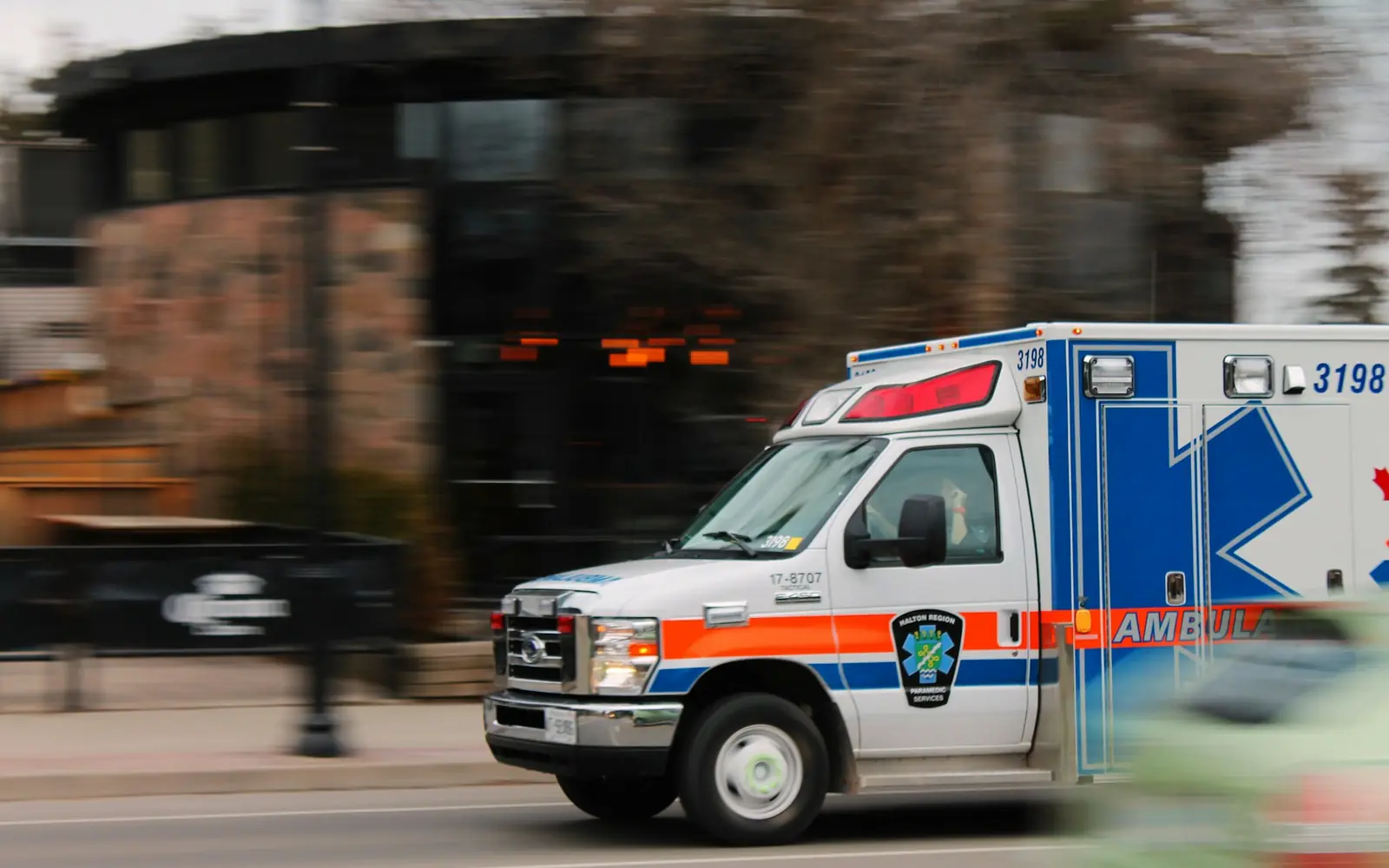
The first call of a new EMT is often a fall at home or a patient with chest pain, with a senior crew member kneeling alongside. The road to that call runs through a state-approved course, a national certification exam and a state license, and each one can be planned from the start.
The usual way in: A state-approved course and an exam
What the course asks of you
EMT courses are run by community colleges, technical schools, hospitals, fire academies and some private training centers, and each needs approval from the state’s emergency medical services office. Many run over a semester or a few months, with evening and weekend sections for people who already work. Expect lectures, skills labs and a set number of hours riding on an ambulance or observing in an emergency department.
Most programs ask that you be at least 18 by the time you test, hold a high school diploma or equivalent and carry a current CPR card for healthcare providers. Many also ask for proof of vaccinations, a background check and a drug test before clinical hours begin, because you will be working around patients.
The exam and the state license
After the course, most states use a national EMT certification exam with two parts: a computer-based written test and a hands-on skills exam in which you work through patient scenarios in front of evaluators. Some states run their own exam or add a state test, so ask the course director which applies where you live.
The license itself comes from the state, through a separate application filed after the exam, often with fingerprints for a criminal history check. Most states ask EMTs to renew every two or three years with continuing education hours and a current CPR card.
The license itself comes from the state, through a separate application filed after the exam, often with fingerprints for a criminal history check.
Where EMTs work and the first months
EMTs work for private ambulance services, fire departments, hospital transport teams, event medical crews and some industrial sites. Ambulance shifts are often 12 or 24 hours, with nights, weekends and holidays in the rotation. The work is physical, since lifting patients, carrying equipment up stairs and kneeling on hard floors are part of most calls.
A new hire usually spends the first weeks in orientation and then rides as a third crew member with a preceptor before running calls as one of a two-person crew. Many employers also require an emergency vehicle operator course before you drive the ambulance.
Paramedic and the steps beyond
Some EMTs go on to advanced EMT training, and many later enter a paramedic program, which runs much longer, often one to two years, and covers medications, airway procedures and reading heart rhythms. Fire departments that run ambulances often prefer or require EMT certification for firefighter applicants, so the same course can serve both paths.
What you can do this week
- Ask the state EMS office for approved courses near you
- Check whether a course runs evenings or weekends
- Take a CPR class for healthcare providers
- Ask a local ambulance service how it trains new EMTs
Worth remembering. An EMT career starts with a state-approved course, a national exam and a separate state license, then weeks of riding with a preceptor.