Firefighter testing often starts on a Saturday morning in a convention hall or a school gym, with rows of applicants filling in answer sheets under a proctor’s eye. Most departments follow the same long sequence after that morning, and knowing each step lets you prepare for every one of them ahead of time.
The usual way in: A written test, physical test and academy
How a department opens hiring
Many fire departments hire in cycles rather than all year. A city or county human resources office, a civil service commission or the department itself announces a testing period, takes applications for a few weeks and then closes. Some regions pool their testing so one written test and one physical test count toward several departments.
Read the minimum requirements closely. Common ones are an age floor, often 18 or 21, a high school diploma or equivalent, a valid driver’s license and, in many departments, EMT certification at the time of application or by the end of probation. Some also ask for a state firefighter certification earned at a fire academy beforehand.
The tests in order
The written test usually covers reading comprehension, mechanical reasoning, math, map reading and judgment questions. Candidates who pass go on to a candidate physical ability test, a timed course of job tasks done in sequence while wearing a weighted vest. Many departments then hold an oral board, where a panel of firefighters and officers asks structured questions and scores each answer.
Scores from these stages often place candidates on a ranked eligible list. Departments hire from the list as positions open, and a list may stay active for one or two years, so a strong placement can still mean months of waiting.
Scores from these stages often place candidates on a ranked eligible list.
Checks after the conditional offer
Candidates reached on the list go through a background investigation and, in many departments, a chief’s interview. A conditional job offer usually comes next, followed by a medical exam and often a psychological evaluation. Federal disability rules generally place the medical exam after that conditional offer.
Academy and probation
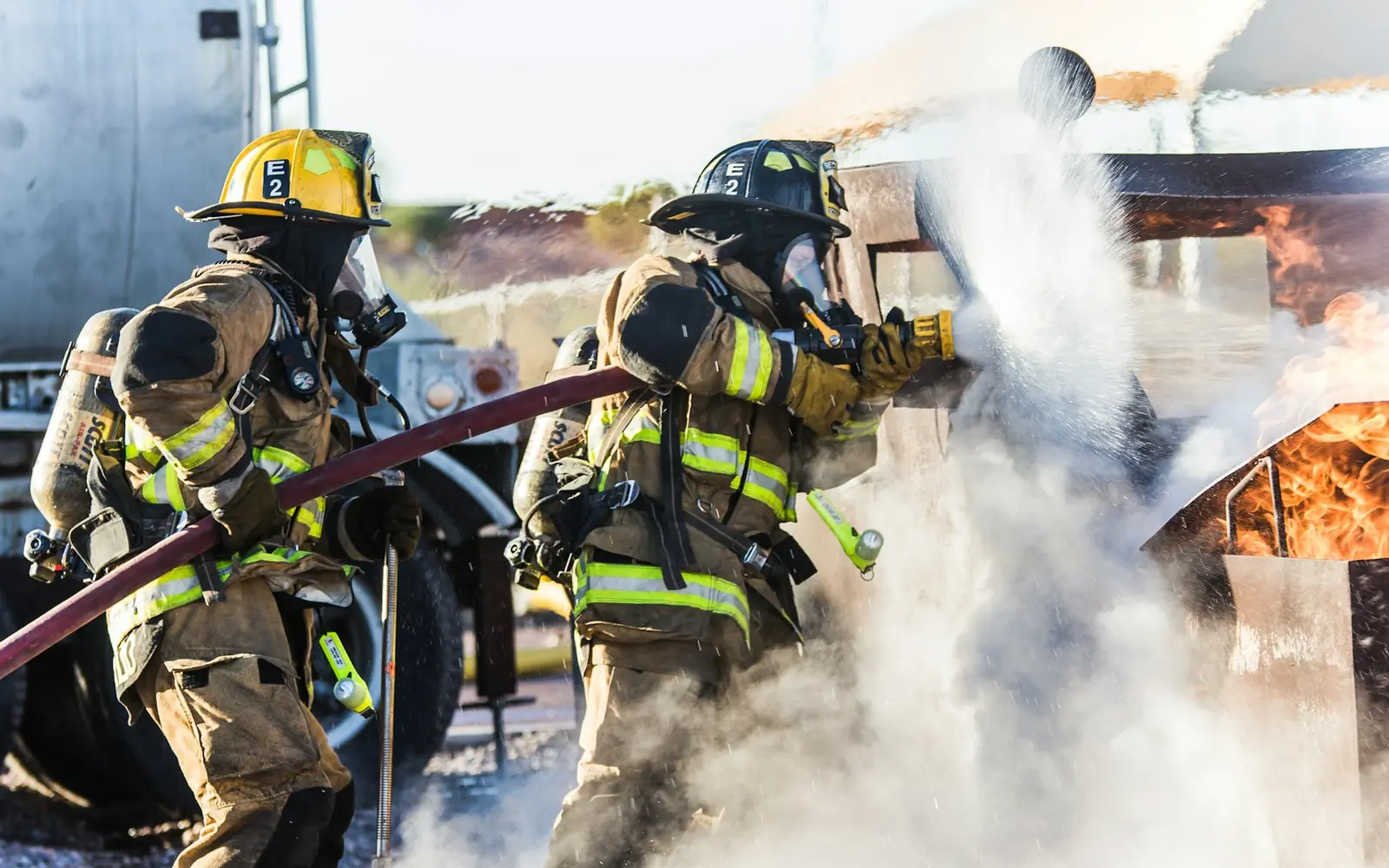
Recruit academies often run several months, with classroom work, hose and ladder drills, live fire training and physical training most days. Recruits who finish are assigned to a station on probation, often for a year, with skills checks and written tests along the way.
Probation rules and the way recruits are evaluated are set by each department and, in many places, by a labor contract. Ask the recruitment office for the probation terms before the academy starts so the expectations are clear.
What you can do this week
- Find the office that posts fire department testing near you
- Check whether the department requires EMT certification
- Start training for a timed course in a weighted vest
- Gather your diploma, driver’s license and certificates
Worth remembering. Firefighter hiring runs in a fixed order, and the result at each stage decides whether a candidate moves on to the next.