After a winter storm, a city’s public works crews may be out before dawn plowing routes, while a water crew digs down to a broken main in the cold and the transit agency’s bus operators pull out for their first runs. Learning how these agencies hire and train helps you find a way into the work that keeps a town running.
The usual way in: On-the-job training, often with a CDL
The work on a crew
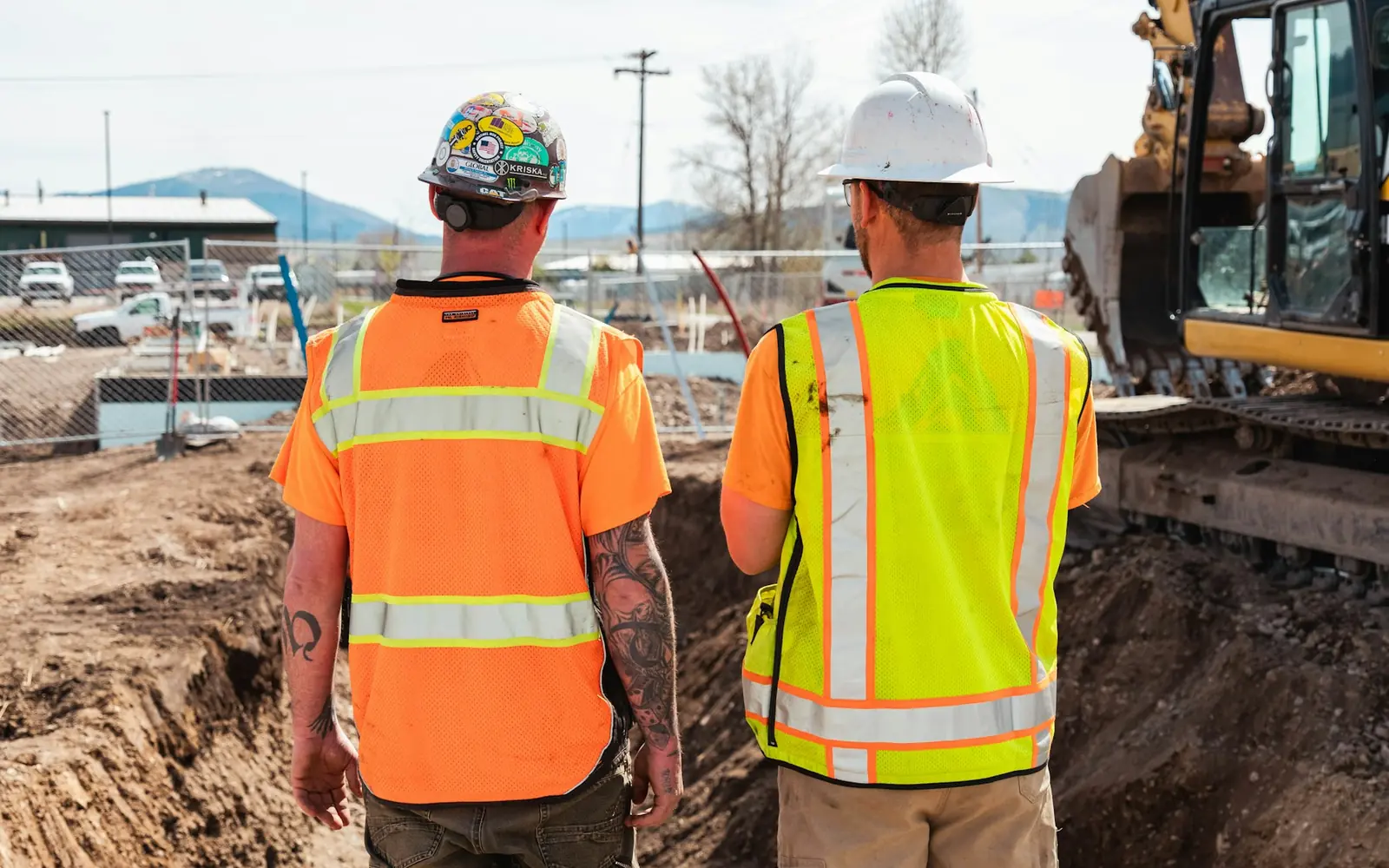
Public works departments run road crews, water and sewer crews, sanitation routes, parks maintenance and fleet garages. Much of the work is outdoors and physical, with digging, lifting, running equipment and working near traffic. Many crews take turns on call for storms, snow and main breaks, so nights and weekends come with the job at times.
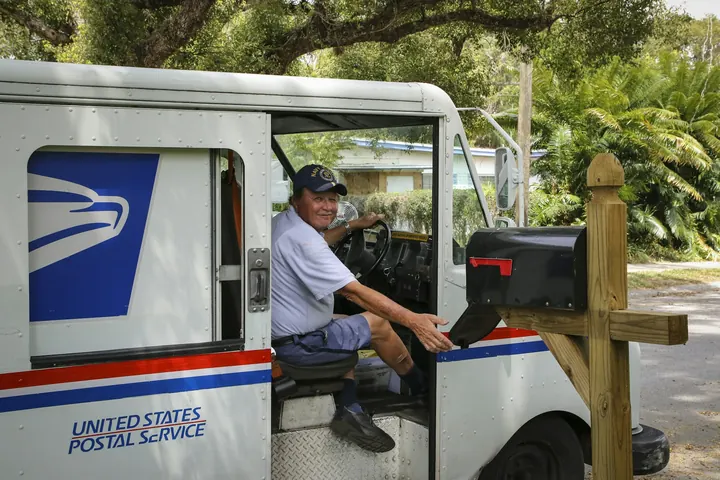
Transit agencies hire bus operators, rail operators, mechanics and maintenance staff. New operators often start on split shifts, early mornings or a list that covers open work, and they choose steadier shifts as their seniority grows.
Many crews take turns on call for storms, snow and main breaks, so nights and weekends come with the job at times.
Licenses, tests and checks
Many crew and operator jobs require a commercial driver’s license, and the posting says which class. Some agencies hire people with a regular license and train them for the commercial one, which starts with a learner’s permit and federal entry-level driver training from a registered provider before the skills test. Water and sewer roles may also call for a state operator certificate after hiring.
Drivers in safety-sensitive jobs take a drug test under federal transportation rules, both before starting and at random later, and need a medical certificate. Some agencies add a written or mechanical aptitude test, and the posting lists each step.
Applying and the first months
Cities and counties post these jobs through their human resources or civil service office, and transit agencies usually post on their own careers pages. A new bus operator often spends several weeks in classroom and road training before driving a route alone, followed by a probation period.
Crew members often start at a laborer or maintenance worker title and learn the equipment on the job, with set steps up to equipment operator or crew leader titles. The human resources office can explain the steps and which licenses each one calls for.
What you can do this week
- Find the public works and transit job pages
- Check which license class each posting needs
- Ask whether the agency trains for the commercial license
- Request a copy of your driving record
Worth remembering. Many public works and transit jobs start with on-the-job training, and some agencies help new hires earn a commercial license.