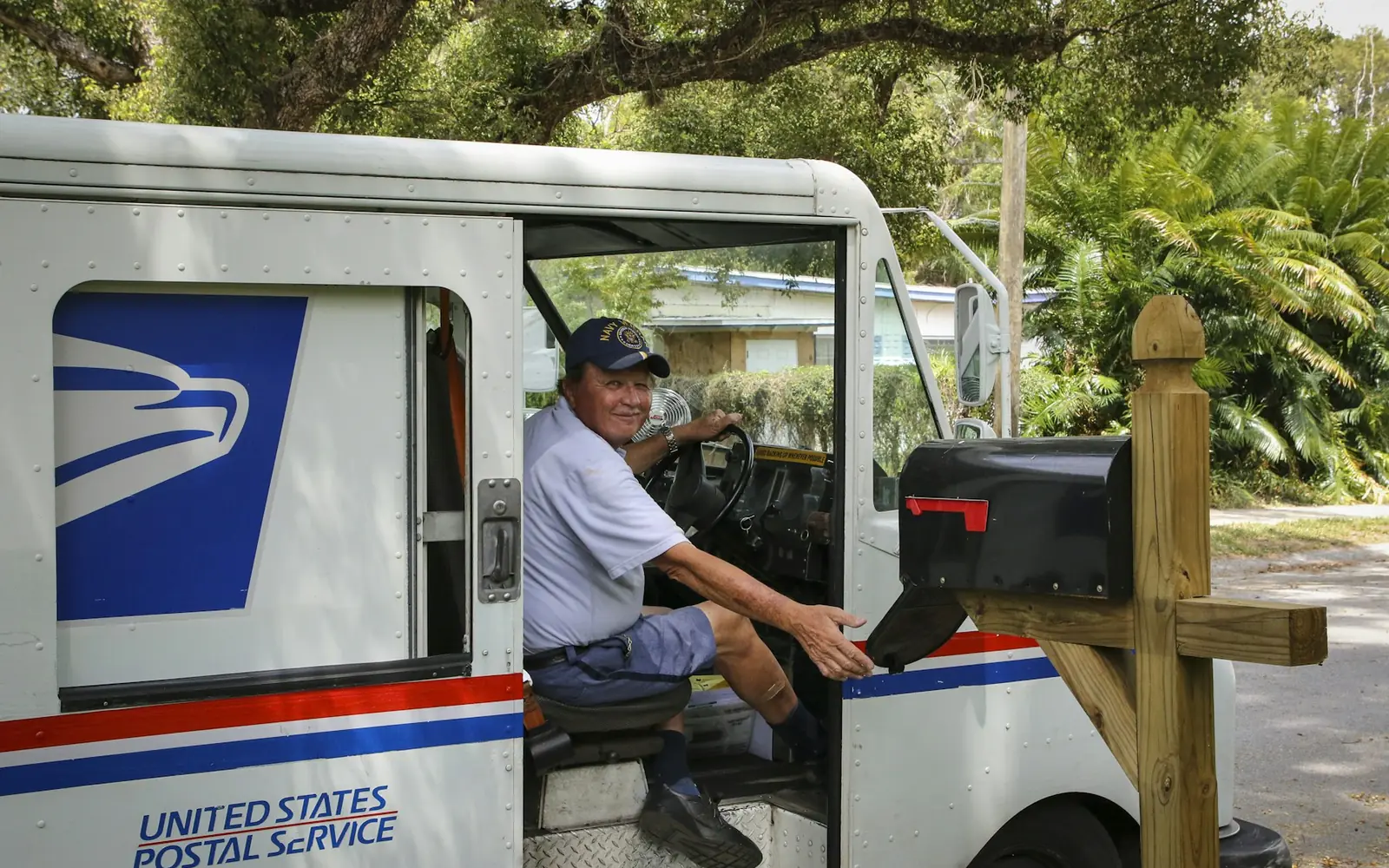
A new city carrier assistant may spend the first days learning a route beside an experienced carrier, then work a different street each day, sorting at the case in the morning and walking or driving deliveries until the mail is done. Knowing how the Postal Service hires and where most people start helps you choose a role and get through the tests.
The usual way in: An online entry assessment
The jobs and the way in
The Postal Service posts its openings on its own careers site, separate from USAJOBS. Common entry roles include city carrier assistant, rural carrier associate, mail handler assistant and postal support employee, who may work a retail counter or in a processing plant. Each posting lists the location, the hours and the pay rate.
Many of these roles are non-career positions, which is how a large share of new hires begin before a career position opens. Rural carrier associates often use their own vehicle, while city carrier assistants usually drive a postal vehicle. Carrier jobs are outdoors in every season, with long days around holidays and weekend work in many offices.
Carrier jobs are outdoors in every season, with long days around holidays and weekend work in many offices.
Tests, checks and training
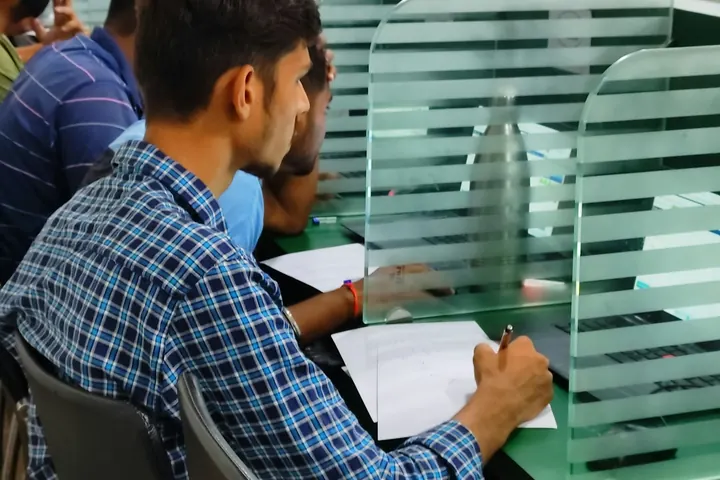
Many entry roles require an online entry assessment after you apply, which asks how you would handle work situations and, for some roles, tests attention to detail and memory. You usually have a short window, often a few days, to finish it once the email arrives, so watch your inbox and spam folder.
A background check follows for applicants who move ahead, and driving roles add a check of your driving record and a minimum length of driving history. Many jobs also require a drug screening and a medical assessment. New carriers usually attend classroom and driver training before working a route on their own.
The first months and moving to career
Non-career employees often serve an evaluation period in their first months, with reviews from the supervisor at set points. Hours can be irregular, and new carriers are often sent to whichever route needs help that day.
Moving from a non-career role to a career position depends on openings in your office and the rules in the labor contract for that craft, and the time it takes varies widely. Your supervisor or local postmaster can explain how conversion works where you are.
What you can do this week
- Search openings by ZIP code
- Read the duties for each entry role
- Check your driving record
- Watch your email after you apply
Worth remembering. Most Postal Service hires start in a non-career role after an online assessment, and the move to career depends on local openings.