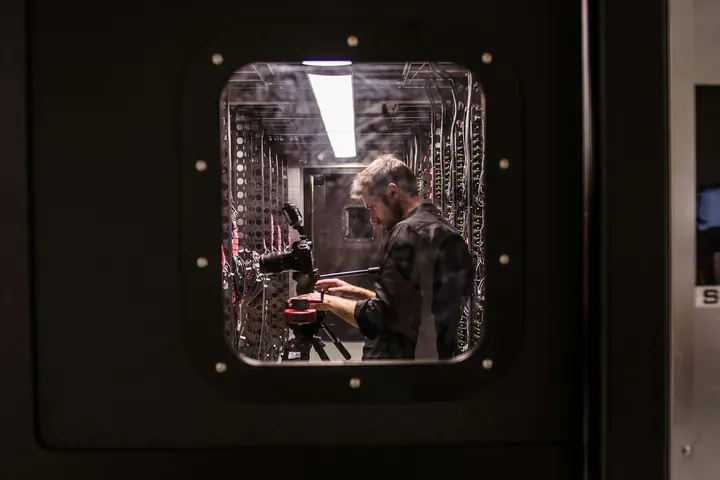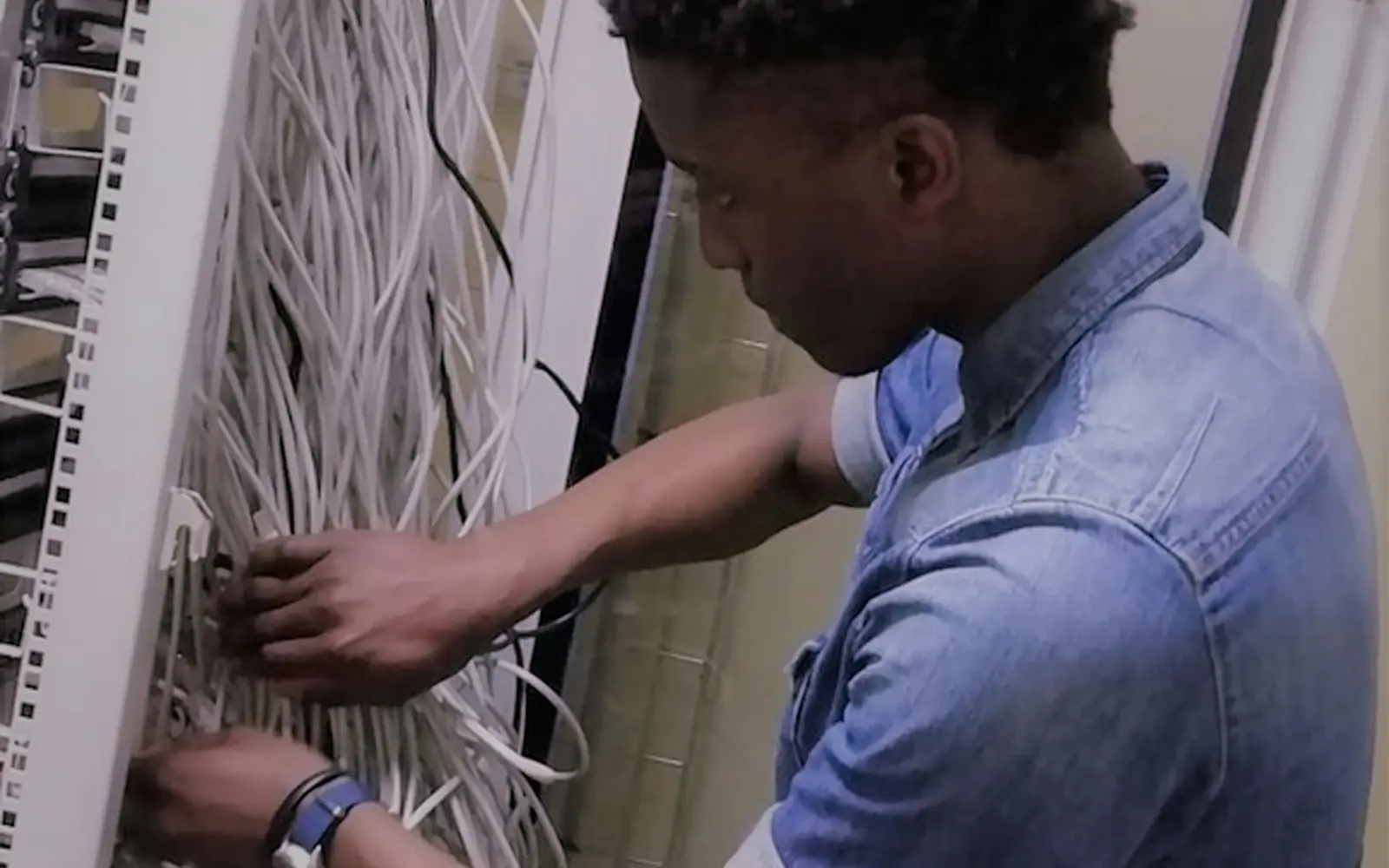
A file server stops answering at 2 a.m., and the phone on the nightstand of the on-call administrator starts to buzz. Administrators keep the machines and connections behind an office running, and the route in is usually a step up from support. Here is how that step tends to happen and what the work asks of you.
The usual way in: Support experience, then a step up
Two jobs that often overlap
Network administrators look after switches, routers, firewalls, wireless access points and the cabling that ties them together. Systems administrators look after servers, user accounts, backups, updates and the directory service that controls who can sign in where. In a small organization one person often does both, along with some support.
The week mixes planned work with interruptions. Updates and hardware changes are usually scheduled for nights or weekends, when fewer people are working, and each change gets a written plan and a way to undo it. Monitoring tools send alerts when a disk fills or a link drops, and someone has to answer them.
How people usually get there
Most administrators reach the role from inside IT. A common path runs through two or three years of help desk or desktop support, where you pick up more server and network tickets until that work becomes your job. Some people arrive from the military, where many IT roles cover the same ground.
Certifications in networking, a server operating system or an open-source operating system appear often in postings, as do scripting skills. A home lab helps a great deal: an old computer running virtual machines, a spare router and a written record of what you built and broke let you speak from experience.
On-call duty and the first year
Most teams share an on-call rotation, often a week at a time, and the posting or the offer letter should say how it works and how it is paid. Ask how often the phone actually rings at night, since this differs widely from one employer to the next.
A new administrator usually starts with limited access and gains more as the team learns to trust their changes. Writing down every change, testing backups and asking before touching anything in production are the habits supervisors look for in the first months.
Writing down every change, testing backups and asking before touching anything in production are the habits supervisors look for in the first months.
What you can do this week
- Ask your support lead which server tickets you could take
- Set up one virtual machine at home
- Write a short script that automates a chore
- Ask how on-call duty works where you apply
Worth remembering. Administrators usually grow out of support work, and a documented home lab helps you show what you already know.