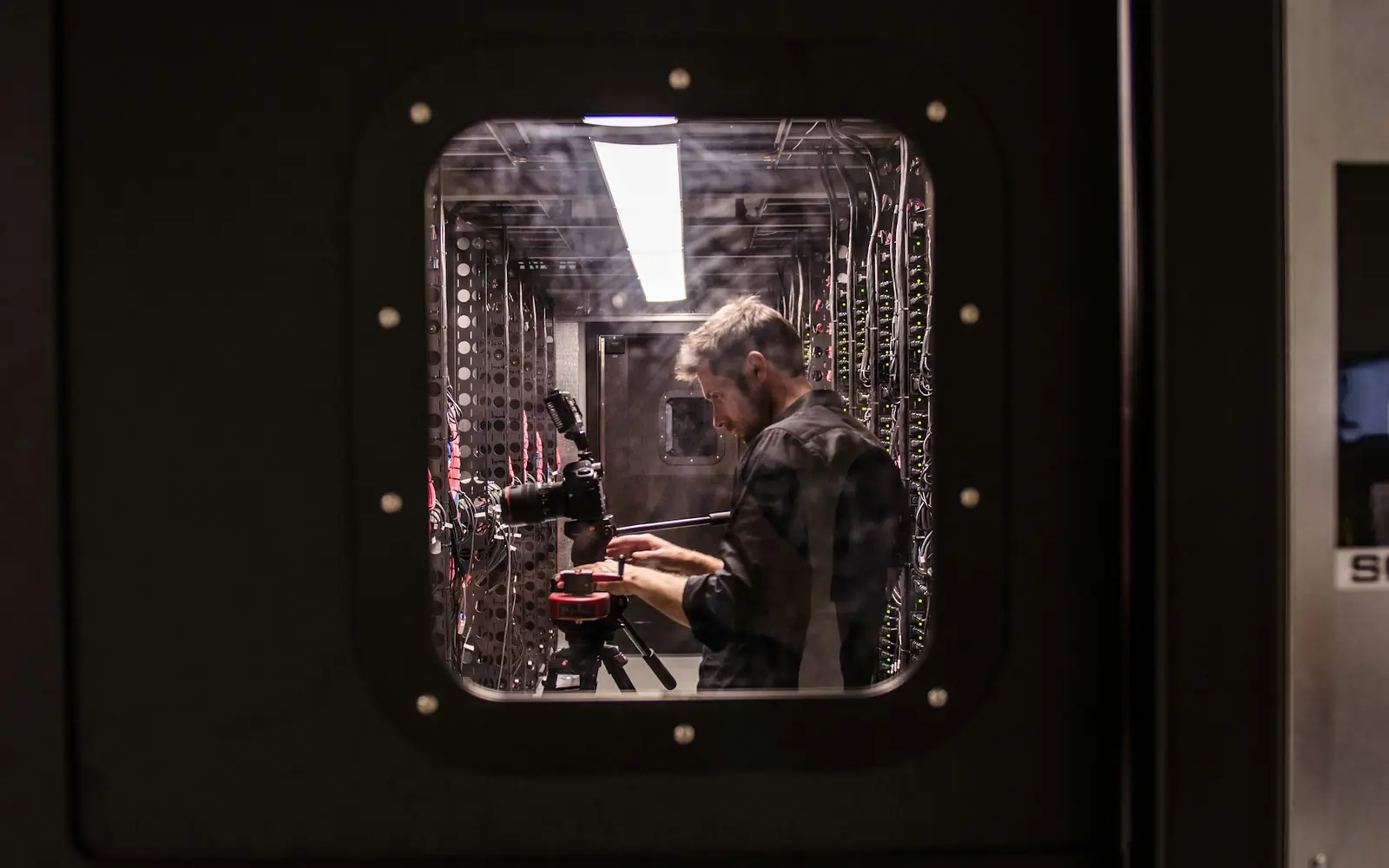
Inside a data center the air is cold, the fans are loud and a technician pushes a cart of replacement drives down an aisle of racks. Cloud services run on buildings like this, and the jobs split between people who handle the hardware and people who support the services from a desk. Both routes are laid out here, with how each one hires.
The usual way in: Hardware or support experience
Inside the building
Data center technicians install servers, replace failed drives and power supplies, run and label cables and follow strict procedures for every change. The work is physical: lifting equipment, standing for long periods and working in loud, cold rooms. Buildings run around the clock, so shifts often include nights, weekends and holidays, sometimes on a rotating schedule.
Security is tight. Expect a background check, a badge and sometimes fingerprint or face scanning at the doors, along with rules about what you may carry in or out. Many technicians come from electronics work, the military, help desk jobs or the electrical trades.
Cloud support roles
Cloud support engineers help customers whose services run on a large provider’s platform, answering tickets about virtual servers, storage, networking and permissions. The work is mostly remote or office-based and relies on troubleshooting, an understanding of networks and an open-source operating system, and some scripting.
The large cloud providers each offer their own certifications, starting with a short foundational exam, and postings often name them. Free practice accounts with usage limits let you build and break small setups, and it is wise to set a spending alert so a forgotten test does not keep running.
Hiring and the first months
Data center hiring often includes a practical test, such as identifying parts or tracing a cable, along with a safety briefing. New technicians usually shadow a senior technician for weeks before working alone, and employers train them on electrical safety and lifting under OSHA rules.
Cloud support hiring tends to involve a troubleshooting interview where you talk through a broken setup out loud. The first months usually go to product training and simpler tickets, with a mentor reviewing your replies.
Cloud support hiring tends to involve a troubleshooting interview where you talk through a broken setup out loud.
What you can do this week
- Look up data centers within commuting distance
- Practice naming the parts inside a desktop computer
- Open a free cloud practice account and set a spending alert
- Ask about shift patterns before applying
Worth remembering. Data center work is hands-on and runs around the clock, cloud support is troubleshooting from a desk, and both value support experience.