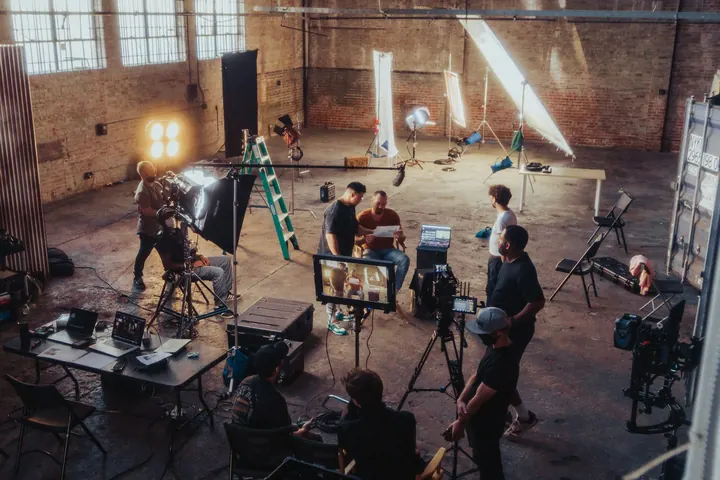
At half past three in the morning, the producer of a local TV morning show is already rewriting overnight scripts as the first live shot is set up. Local radio and TV stations employ far more people off the air than on it, and this walks through the departments, the ways in and how stations usually hire.
The usual way in: An entry job in production or operations
The departments inside a station
The newsroom holds reporters, producers, photographers who shoot and edit video, assignment editors and digital staff who post stories online. Production and operations staff run the control room, including directors, master control operators who keep the station on the air, and floor crew in the studio. Engineers maintain transmitters, cameras and studio systems.
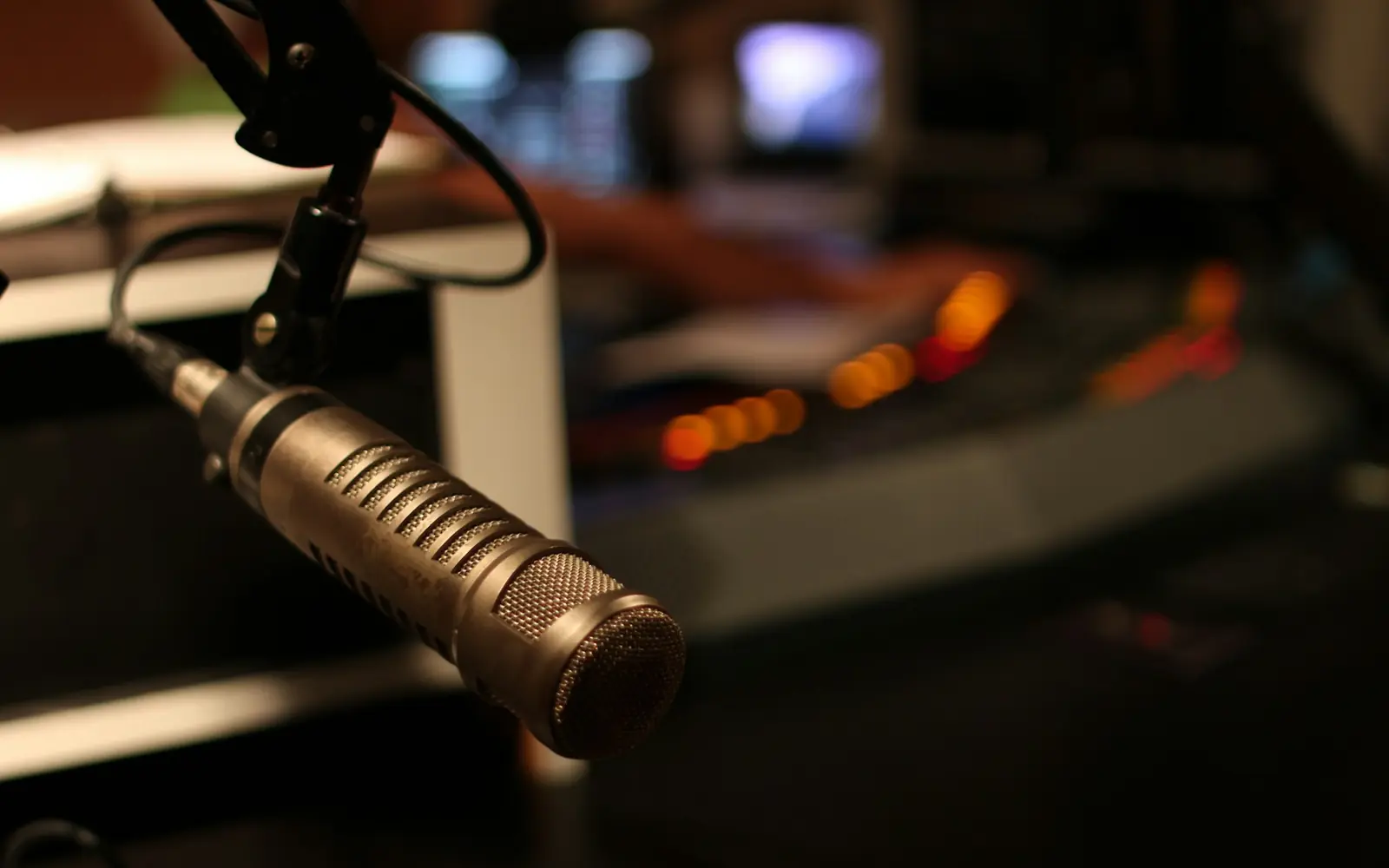
Sales staff sell commercial time to local businesses, and traffic coordinators schedule every commercial into the day’s log. Radio stations run leaner, with board operators, producers, on-air hosts and a small sales and promotions team often covering several stations in one building.
How stations hire
Stations are licensed by the Federal Communications Commission, and many are owned by groups that run stations in several cities. Openings are usually posted on each station’s own website, often on a careers page, or on the owning group’s careers site.
Entry roles such as production assistant, master control operator and associate producer are common first jobs. On-air applicants send a short reel of their strongest stand-ups and stories, and producers often take a writing test. Many reporters start in smaller markets and move to larger ones over several years.
Hours and the first months
News and operations run every day of the year, so expect overnight shifts, weekends and holidays early on. Morning show staff often start work in the middle of the night, and severe weather or breaking news can stretch any shift.
On-air staff often sign contracts that set a term and may limit where they can work afterward, though some states restrict those limits. New hires usually learn on the job, shadowing an experienced operator or producer before running a newscast or a board shift on their own.
Morning show staff often start work in the middle of the night, and severe weather or breaking news can stretch any shift.
What you can do this week
- List the radio and TV stations in your area
- Check each station’s careers page
- Record a short reel if you want on-air work
- Ask whether the station hires part-time operators
Worth remembering. Most local station jobs are off the air in production, operations, sales and engineering, posted on the station’s or its owner’s careers page.